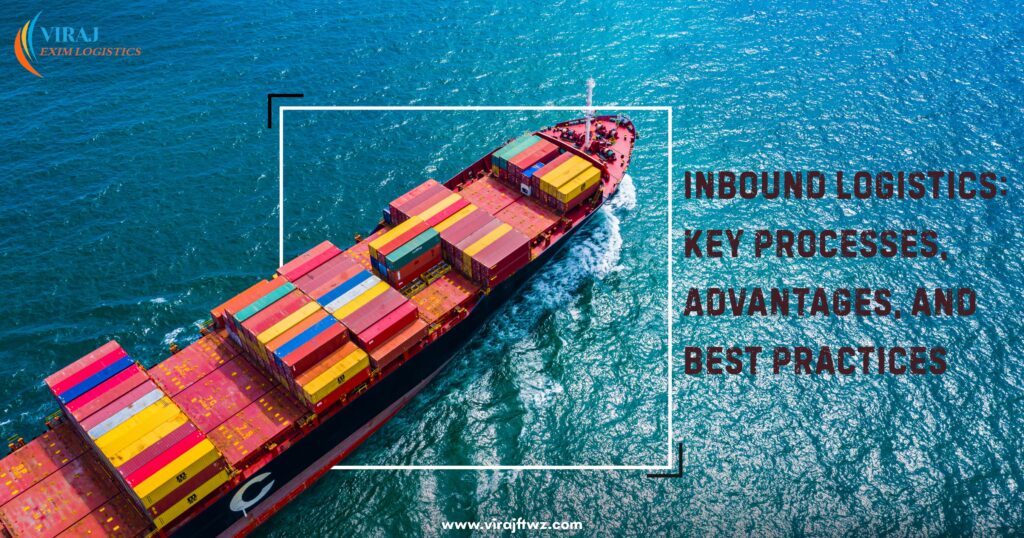
Inbound logistics plays a critical role in how businesses operate every day. It affects costs, production speed, inventory levels, and overall supply chain performance. Yet many companies do not fully understand how inbound logistics works or why it matters so much.
This blog explains inbound logistics in a simple and practical way. You will learn what inbound logistics is, how it works, and its main processes. You will also discover its key benefits and best practices that businesses can use for better results.
What Is Inbound Logistics?
To understand the concept clearly, let’s start with a simple definition.
Inbound logistics refers to all the activities involved in bringing raw materials, components, or goods into a business. These goods usually come from suppliers, vendors, or manufacturers. The process continues until the materials are received and stored for production or resale.
In short, inbound logistics focuses on how goods enter a company.
Inbound Logistics Meaning Explained Simply
If you define inbound logistics in simple words, it means:
Planning, moving, receiving, storing, and managing incoming goods.
It includes several important activities, such as:
- Vendor management
- Procurement and logistics coordination
- Transportation planning
- Freight management
- Inventory management
- Materials handling
All these activities work together to support smooth logistics operations.
Why Inbound Logistics Is Important
Inbound logistics is not just about moving goods. It directly affects business performance.
When inbound logistics is well managed:
- Production runs without delays
- Inventory stays balanced
- Costs remain under control
- Supplier relationships improve
Poor inbound logistics, on the other hand, leads to late deliveries, excess stock, higher costs, and unhappy customers.
Inbound Logistics vs Outbound Logistics
Many people confuse inbound logistics with outbound logistics. While both are part of supply chain logistics, they serve different purposes.
- Inbound logistics deals with incoming goods from suppliers to warehouses or factories.
- Outbound logistics focuses on delivering finished products to customers or retailers.
Inbound logistics comes first. If it fails, outbound logistics also suffers.
Read more: What is an FTWZ Warehouse? 7 Reasons Why Your Business Needs One
Key Processes in Inbound Logistics
Inbound logistics includes several connected processes. Each one plays an important role in keeping the supply chain stable.
1. Vendor Management
Vendor management is the foundation of inbound logistics. It involves selecting reliable suppliers and maintaining strong working relationships with them.
Good vendor management helps businesses:
- Receive quality materials
- Avoid delivery delays
- Reduce supply risks
Clear communication and regular performance reviews are essential here.
2. Procurement and Logistics Coordination
Both must work together closely. Procurement focuses on purchasing materials at the right price. Logistics ensures those materials arrive on time.
When procurement and logistics are aligned:
- Purchasing decisions match transportation capacity
- Inventory levels stay balanced
- Costs remain predictable
This coordination supports better logistics management overall.
3. Transportation Planning
Transportation planning decides how goods move from suppliers to warehouses or production units.
It includes:
- Choosing the right transport mode
- Planning delivery routes
- Scheduling arrival times
Efficient transportation planning reduces delays and lowers fuel and freight costs.
Read more: Understanding 8 Key Factors Shaping Freight Costs
4. Freight Management
Freight management focuses on controlling transportation expenses and ensuring safe movement of goods.
Key tasks include:
- Selecting carriers
- Negotiating freight rates
- Tracking shipments
- Handling documentation
Strong freight management improves visibility and reduces unexpected costs.
5. Receiving and Materials Handling
Once goods arrive, materials handling begins. This step includes unloading, inspecting, sorting, and moving goods within the warehouse.
Effective materials handling:
- Reduces product damage
- Improves worker safety
- Speeds up warehouse operations
Well-organized receiving processes prevent errors at later stages.
6. Inventory Management
Inventory management is one of the most critical parts of inbound logistics. It ensures materials are available when needed, without excess stock.
Good inventory management helps businesses:
- Avoid stock shortages
- Reduce storage costs
- Improve cash flow
Accurate tracking and forecasting are key to success here.
7. Just-in-Time Inventory
Many businesses use just-in-time inventory to reduce storage costs. This approach means receiving materials only when they are needed for production.
Benefits of just-in-time inventory include:
- Lower warehouse space requirements
- Reduced waste
- Better working capital control
However, this method requires strong supplier coordination and reliable transportation.
Role of Inbound Logistics in Supply Chain Optimization
Inbound logistics plays a major role in supply chain optimization. It connects suppliers, warehouses, and production units into one smooth system.
When inbound logistics works well:
- Materials arrive on time
- Production schedules stay stable
- Supply chain risks decrease
This leads to better overall supply chain logistics performance.
Advantages of Effective Inbound Logistics
Well-managed inbound logistics offers several business advantages.
1. Cost Control
Efficient inbound logistics reduces costs related to:
- Transportation
- Storage
- Handling
- Inventory holding
Lower costs improve profit margins.
2. Improved Operational Efficiency
Smooth logistics operations reduce delays and disruptions. Production teams receive materials when they need them, which keeps workflows steady.
3. Better Inventory Accuracy
Strong inventory management improves stock visibility. Businesses know what they have and what they need to reorder.
4. Stronger Supplier Relationships
Good vendor management builds trust and reliability. Suppliers become long-term partners instead of one-time vendors.
5. Reduced Supply Chain Risks
Effective inbound logistics helps businesses respond quickly to delays, demand changes, or supply shortages.
Best Practices for Inbound Logistics Management
Businesses can improve inbound logistics by following proven best practices.
1. Plan Using Real Data
Use data to forecast demand, track supplier performance, and plan transportation. Data-driven decisions reduce guesswork.
2. Improve Communication with Suppliers
Clear communication prevents misunderstandings. Regular updates help both sides prepare for changes.
3. Use Technology Where Possible
Modern logistics tools help track shipments, manage inventory, and improve freight management. Technology increases accuracy and visibility.
4. Optimize Warehouse Layout
A well-designed warehouse improves materials handling and reduces unnecessary movement. This saves time and labor costs.
5. Review and Improve Regularly
Inbound logistics should evolve as the business grows. Regular reviews help identify gaps and improve performance.
Inbound Logistics in Today’s Business Environment
Global sourcing and rising customer expectations have made inbound logistics more complex. Businesses now deal with longer supply chains and higher uncertainty.
Companies that invest in strong inbound logistics gain:
- Greater flexibility
- Faster response times
- Better control over supply chain logistics
Inbound logistics is no longer just an operational task. It is a strategic advantage.
About Viraj Exim Logistics
Viraj Exim Logistics is a trusted name in logistics. They are known for providing reliable and efficient supply chain solutions. The company focuses on helping businesses manage their logistics operations smoothly and cost-effectively.
Viraj Exim Logistics offers services that support:
- End-to-end logistics management
- Transportation and freight solutions
- Procurement and logistics coordination
- Supply chain support and optimization
With a strong customer-first approach and deep industry expertise, the company helps businesses simplify complex logistics challenges.
Viraj Exim Logistics is one of the top logistics companies in India. They offer reliable and flexible services for today’s supply chain needs.
Final Thoughts
Inbound logistics is a key pillar of successful business operations. It affects costs, efficiency, and supply chain stability. By understanding inbound logistics processes, advantages, and best practices, businesses can make smarter decisions and build stronger supply chains.
With the right plan and a good logistics partner, inbound logistics can help drive long-term growth.
Reference:
Supply chain management by Wikipedia[1].
Logistics by Wikipedia[2].